
 Posted by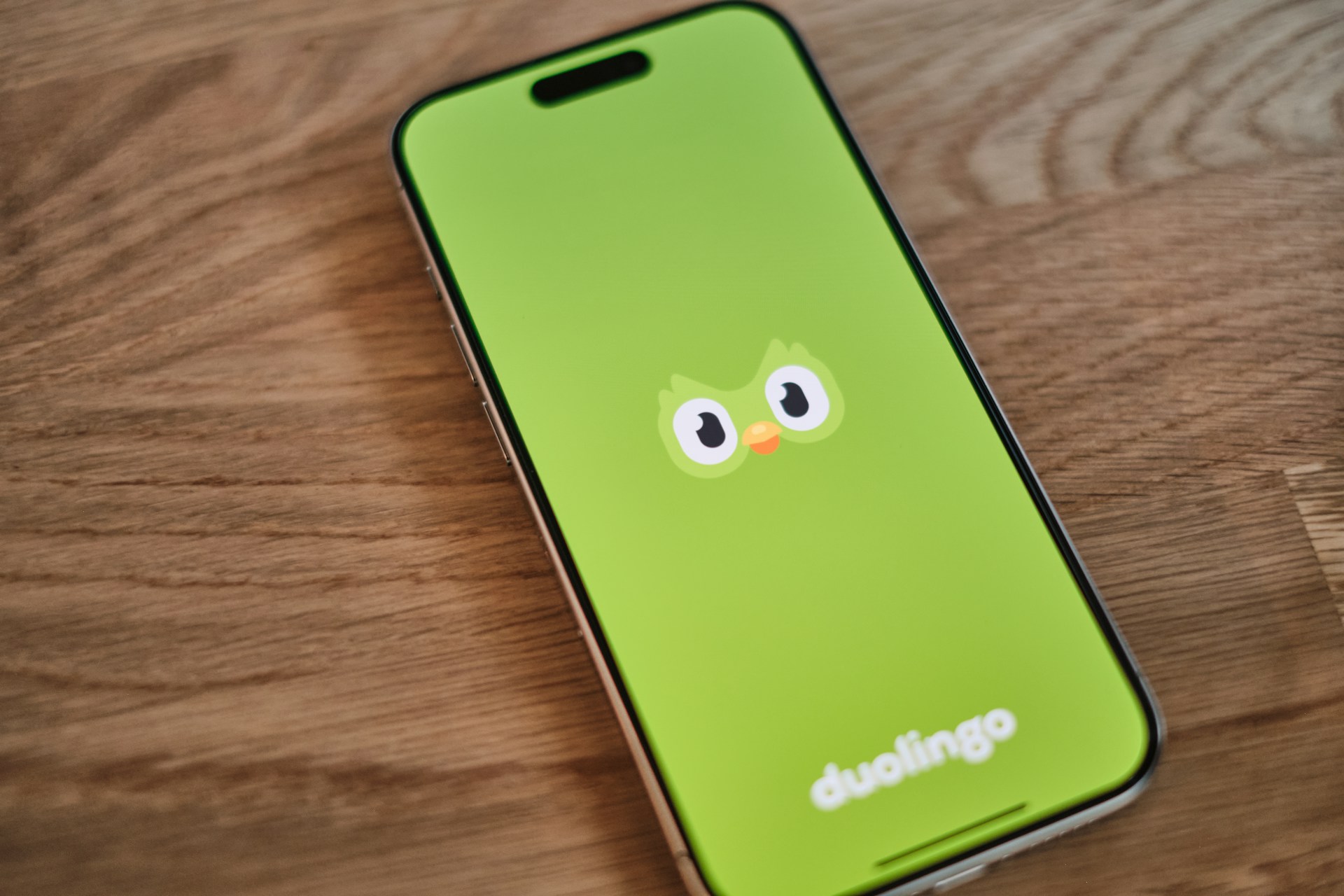
The greatest marketing campaign of 2025 wasn’t about shock value. It was about participation.
Most companies spend years trying to make a mascot famous.
Duolingo did that.
Then it did something almost unthinkable.
It killed him.
On February 11, 2025, the language-learning app announced that Duo—the slightly unhinged green owl famous for relentlessly reminding people to complete their lessons—had died after an unfortunate encounter with a Cybertruck. The company changed its app icon, released an official obituary, staged a funeral across social media, and fully committed to the joke.
The internet exploded.
Within two weeks, the campaign generated roughly 1.7 billion social impressions. Conversation around Duo’s death outperformed the buzz surrounding the biggest Super Bowl commercials that had aired just days earlier. Mentions of Duo increased by more than 25,000%, celebrities joined the conversation, and the hashtag #RIPDuo spread everywhere.
But here’s what most marketers got wrong.
The lesson wasn’t:
“Do something outrageous.”
The lesson was:
Create something people actually care enough to play along with.
That’s a very different strategy.
The campaign succeeded because Duo wasn’t just a mascot.
He had become a personality.
Over the years, Duolingo gave him quirks, running jokes, an unhealthy obsession with reminding people to finish their lessons, celebrity crushes, and a delightfully unhinged sense of humor. People weren’t reacting to a green owl.
They were reacting to someone they felt like they knew.
That’s lesson number one.
People don’t form relationships with logos. They form relationships with personalities.
Then came the truly brilliant part.
Duolingo didn’t simply announce that Duo had returned.
It made users earn the resurrection.
The company challenged its community to collectively reach 50 billion XP by completing lessons. Suddenly, millions of people weren’t spectators anymore—they were participants.
That’s the difference between content and experiences.
Content gets viewed.
Experiences get joined.
The greatest marketing campaign of 2025 wasn’t about shock value. It was about participation.
Most companies spend years trying to make a mascot famous.
Duolingo did that.
Then it did something almost unthinkable.
It killed him.
On February 11, 2025, the language-learning app announced that Duo—the slightly unhinged green owl famous for relentlessly reminding people to complete their lessons—had died after an unfortunate encounter with a Cybertruck. The company changed its app icon, released an official obituary, staged a funeral across social media, and fully committed to the joke.
The internet exploded.
Within two weeks, the campaign generated roughly 1.7 billion social impressions. Conversation around Duo’s death outperformed the buzz surrounding the biggest Super Bowl commercials that had aired just days earlier. Mentions of Duo increased by more than 25,000%, celebrities joined the conversation, and the hashtag #RIPDuo spread everywhere.
But here’s what most marketers got wrong.
The lesson wasn’t:
“Do something outrageous.”
The lesson was:
Create something people actually care enough to play along with.
That’s a very different strategy.
The campaign succeeded because Duo wasn’t just a mascot.
He had become a personality.
Over the years, Duolingo gave him quirks, running jokes, an unhealthy obsession with reminding people to finish their lessons, celebrity crushes, and a delightfully unhinged sense of humor. People weren’t reacting to a green owl.
They were reacting to someone they felt like they knew.
That’s lesson number one.
People don’t form relationships with logos. They form relationships with personalities.
Then came the truly brilliant part.
Duolingo didn’t simply announce that Duo had returned.
It made users earn the resurrection.
The company challenged its community to collectively reach 50 billion XP by completing lessons. Suddenly, millions of people weren’t spectators anymore—they were participants.
That’s the difference between content and experiences.
Content gets viewed.
Experiences get joined.